Interoduction Of Mental Health
In today’s fast-paced world, health is often understood only in terms of physical strength. However, mental health and fitness are equally important to live a fulfilling life. A healthy mind helps us handle stress, build strong relationships, and stay productive, while a fit body gives us energy and resilience. When both are in harmony, we experience overall well-being.
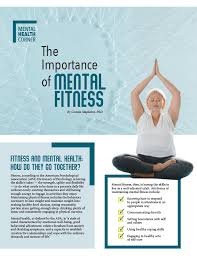
Why Mental Health Matters
Mental health refers to emotional, psychological, and social well-being. It influences how we think, feel, and behave in daily life. Good mental health allows us to manage stress, adapt to challenges, and maintain balance. On the other hand, poor mental health can lead to anxiety, depression, lack of focus, and low motivation.
Some key aspects of mental health include:
-
Emotional stability – staying calm and resilient during difficulties
-
Stress management – handling pressure without breaking down
-
Positive mindset – focusing on solutions instead of problems
-
Social connection – maintaining healthy relationships
By prioritizing mental health, we can live with clarity, confidence, and happiness.
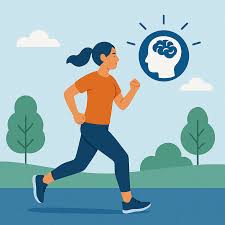
The Connection Between Mental Health and Physical Fitness
It’s impossible to separate mental health and fitness. Our body and mind work together as one system. When we exercise regularly, our body releases endorphins—chemicals that reduce stress and boost mood. This is why a simple walk, yoga session, or workout at the gym can immediately lift our spirits.
At the same time, poor mental health often affects physical health. Stress, anxiety, and depression may lead to insomnia, weight gain, or even chronic illnesses. Similarly, lack of exercise can make us feel tired and unmotivated, increasing negative thoughts.
In short, fitness improves mental health, and strong mental health helps us stay committed to fitness.
How Exercise Improves Mental Health
Research has proven that regular physical activity plays a huge role in improving mental health. Here are some benefits:
1. Reduces Stress
Exercise lowers cortisol levels (the stress hormone) and helps us relax. Even 20–30 minutes of walking daily can clear the mind and reduce tension.
2. Fights Depression and Anxiety
Workout routines, running, or swimming release endorphins, often called “happy hormones.” These naturally fight feelings of sadness and anxiety.
3. Improves Sleep
Good sleep is essential for mental health. Fitness activities regulate sleep cycles, allowing the mind to rest and recharge.
4. Boosts Confidence
When we achieve fitness goals—like lifting heavier weights, running longer distances, or simply feeling stronger—it builds self-confidence, which supports positive mental health.
5. Enhances Brain Power
Exercise increases blood flow to the brain, improving memory, focus, and problem-solving skills. This makes us more productive in both work and personal life.

Practical Tips for Balancing Mental Health and Fitness
It’s not enough to know the benefits—we must put them into practice. Here are some easy ways to maintain balance:
H3: Create a Routine
Plan a daily or weekly schedule that includes both exercise and relaxation. Consistency is the key to lasting results.
H3: Start Small
If you’re new to fitness, don’t pressure yourself with long workouts. Begin with 10–15 minutes of stretching, walking, or light yoga. Gradually increase intensity.
H3: Practice Mindfulness
Mindfulness techniques like meditation, deep breathing, or journaling help calm the mind and reduce stress. Pair them with physical activity for maximum benefit.
H3: Choose Activities You Enjoy
Not everyone loves the gym. Find something you genuinely like—dancing, cycling, hiking, or even gardening. Enjoyment keeps you consistent.
H3: Stay Connected
Talk to friends, join group activities, or find a workout partner. Social connection strengthens mental health and makes fitness more fun.
H3: Seek Professional Help When Needed
If stress, anxiety, or depression becomes overwhelming, don’t hesitate to consult a therapist or counselor. Just as we see a doctor for physical illness, seeking help for mental health is equally important.
Nutrition for Mental and Physical Fitness
Food plays a huge role in both mental and physical health. A balanced diet keeps the body strong and the mind clear.
-
Omega-3 fatty acids (found in fish, walnuts, flaxseeds) support brain health
-
Leafy greens and vegetables provide essential vitamins and minerals
-
Whole grains help regulate mood and energy
-
Adequate hydration keeps the brain alert and body active
-
Avoid excess sugar and processed foods, which can cause mood swings and fatigue
By combining exercise with mindful eating, we create a powerful foundation for mental health and fitness.
Overcoming Common Challenges
Many people struggle to stay consistent with fitness and mental health practices. Some common challenges include:
-
Lack of time – Solution: Try short, high-impact workouts and quick mindfulness sessions.
-
Low motivation – Solution: Set small, realistic goals and celebrate achievements.
-
Stressful lifestyle – Solution: Incorporate mini-breaks, stretching, or breathing exercises during the day.
-
Negative self-talk – Solution: Replace self-criticism with affirmations and gratitude.
Final Thoughts
Mental health and fitness go hand in hand. You cannot achieve true well-being by focusing only on one and ignoring the other. A strong body supports a strong mind, while a peaceful mind keeps the body energized. By exercising regularly, eating healthy, practicing mindfulness, and maintaining positive relationships, anyone can build a balanced and fulfilling life.
Remember, taking care of your mental health is not a luxury—it’s a necessity. And fitness is not just about looks—it’s about strength, confidence, and happiness. When body and mind work together, life becomes healthier, brighter, and more meaningful.
If stress, anxiety, or depression becomes overwhelming, don’t hesitate to consult a therapist or counselor. Just as we see a doctor for physical illness, seeking help for mental health is equally important. mental care.